
Operations · April 14, 2026
International Inflight Catering: Everything You Need for Seamless Global Flights
Cross-border private jet catering: import rules, APHIS waste handling, hub resupply, and what to brief before an international leg.
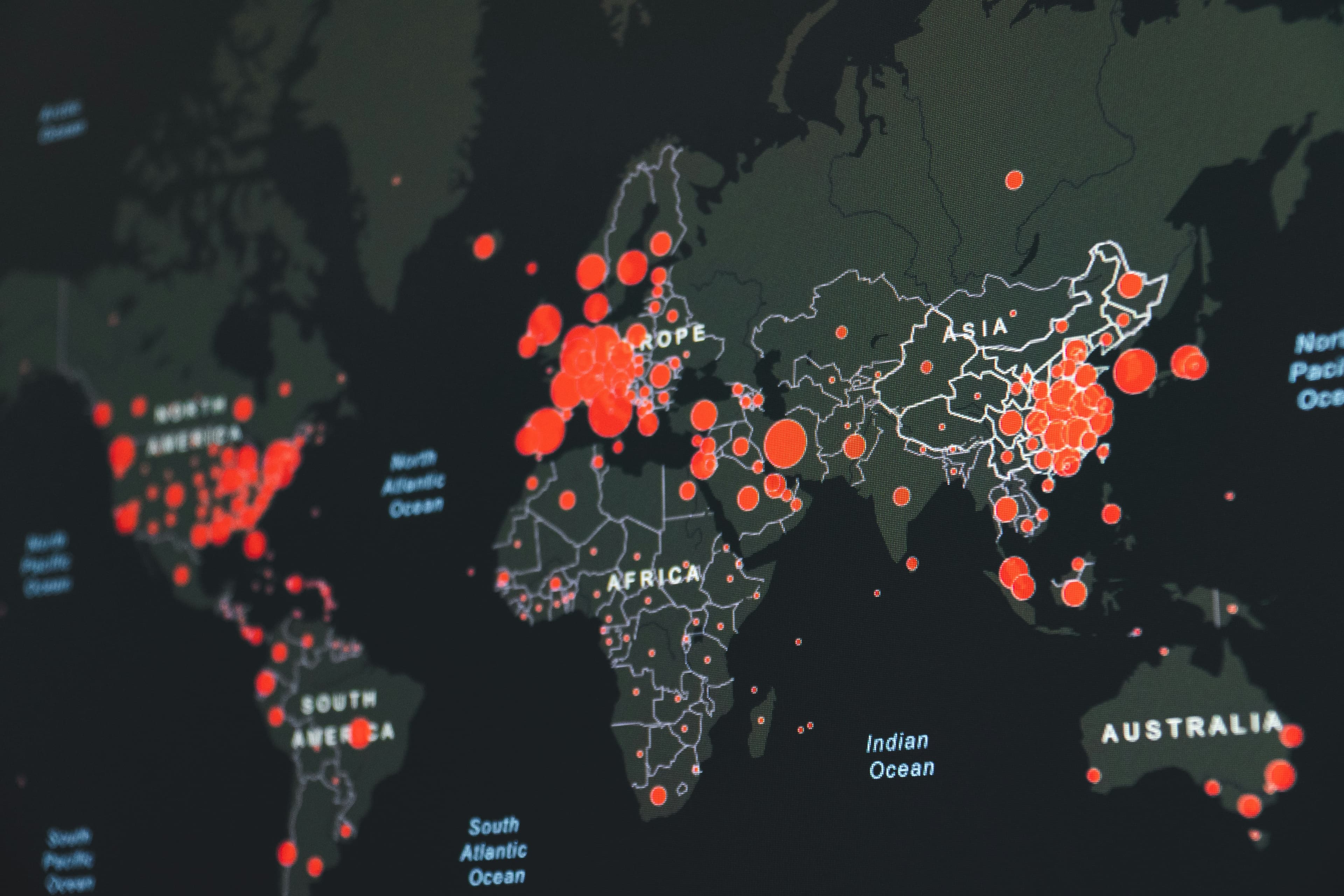
International private jet catering is not "order food + deliver to ramp." It is multi-jurisdiction logistics: import rules, garbage handling on arrival, hub coordination, and menus that still perform at altitude after hours in transit.
This guide covers what operators and cabin crew need before a cross-border trip, and where a specialist private jet catering partner fits in.
What changes when a flight crosses borders
On domestic sectors, catering is mostly kitchen-to-FBO timing. International missions add:
- ·Country-specific food import restrictions (meat, dairy, produce, honey, and prepared items)
- ·Documentation for catering trucks and sealed food entering secure ramp areas
- ·Garbage and galley waste rules on arrival, often stricter than departure rules
- ·Hub handoffs when catering must be resupplied mid-trip abroad
The meal passengers remember is the visible layer. The failure modes are usually invisible until wheels-down.
Regional considerations (practical, not exhaustive)
United States arrivals (APHIS / CBP)
The USDA Animal and Plant Health Inspection Service (APHIS) enforces strict rules on meat, fresh produce, and animal products entering the U.S. Galley waste and unconsumed catering may need to be sealed, documented, and disposed of under FBO or port guidance, not treated like standard trash.
Operators flying into the U.S. after an international leg should brief catering with arrival airport in mind: what can remain onboard, what must be surrendered, and how the FBO expects waste handled.
European Union / UK
Short-stay and long-stay rules differ for animal products brought in from outside the EU/UK. Prepared catering sourced locally at a departure FBO is usually simpler than attempting to carry prepared proteins across Schengen borders without verifying current restrictions.
For multi-leg EU tours, many flight departments re-source at each hub rather than over-catering the first leg.
Middle East & Asia-Pacific hubs
Hubs like Dubai, Singapore, and Hong Kong combine strong FBO infrastructure with local sourcing depth, but peak season and major events compress kitchen capacity fast. Advance orders matter as much here as in the U.S.; see FBO catering logistics.
Latin America & Caribbean
Smaller FBOs may rely on limited supplier networks. Custom menus that require imported specialty items need longer lead times. Last-minute diversions to alternate islands are where pre-planned cold/hold-friendly menus pay off.
Behind the scenes: what good providers coordinate
A single international trip may involve:
- ·Departure catering, sourced and packed to aviation spec
- ·Transit or resupply, at an intermediate FBO if galley capacity or trip length requires it
- ·Arrival compliance, waste removal, remaining inventory, and documentation
- ·Crew meals, often separate brief from passenger service; see crew meals
Timing windows are tight. Delays are expensive. This is why experienced operators work with caterers who understand how private jet catering works end-to-end, not a restaurant that offers delivery.
Consistency across locations
The hardest promise in international aviation is the same standard in Paris, Los Angeles, and Singapore. That requires local vendor relationships, identical packaging standards, crew instructions in galley terms, and a single point of contact when the manifest changes mid-trip.
Our overview of private jet meals at altitude explains how quality is scoped before catering ever reaches the ramp.
Ordering international catering: what to send your provider
At minimum: departure and arrival airports, date, wheels-up, passenger and crew counts (separate if needed), per-person dietary details, aircraft type and galley equipment, and any prior catering waste or arrival restrictions from the last leg.
Give as much notice as the trip allows. Lead time affects both cost and what can be sourced cleanly in the departure market. For FBO handoff questions, read how FBO catering works.
When it works, you forget it was complicated
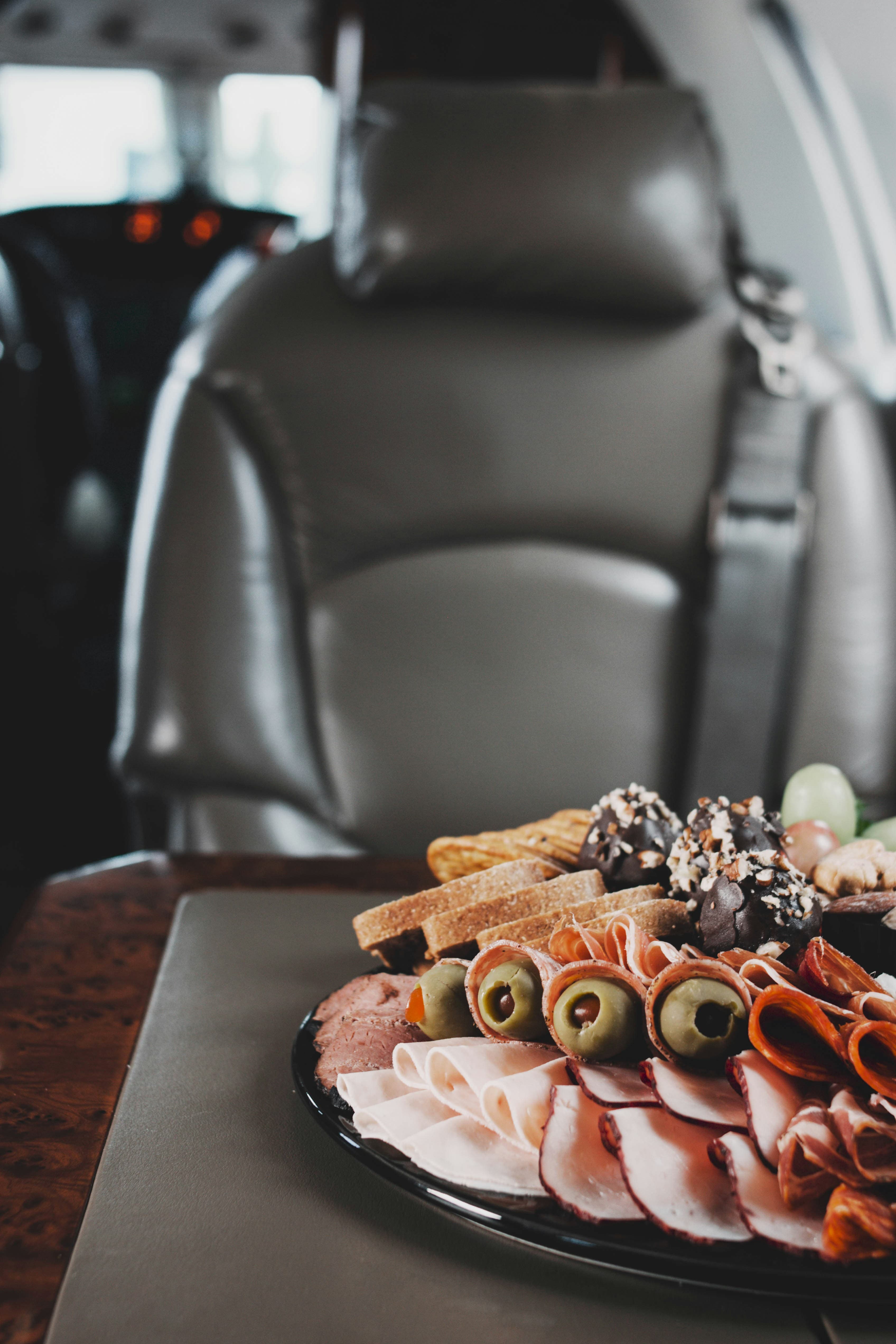
International inflight catering done well feels effortless in the cabin. That means someone handled import realities, packaging, resupply, and arrival waste before the passenger asked where lunch was.
Brief SkyDine when the route crosses borders. We will tell you what is achievable at each stop, what to order where, and how to keep the galley compliant on arrival.
Keep reading.
All posts →

Ready to dispatch