
Operations · May 28, 2026
How catering lead times actually work at a busy FBO
The honest answer to “how late can I order?” and why the real constraint is rarely the kitchen.
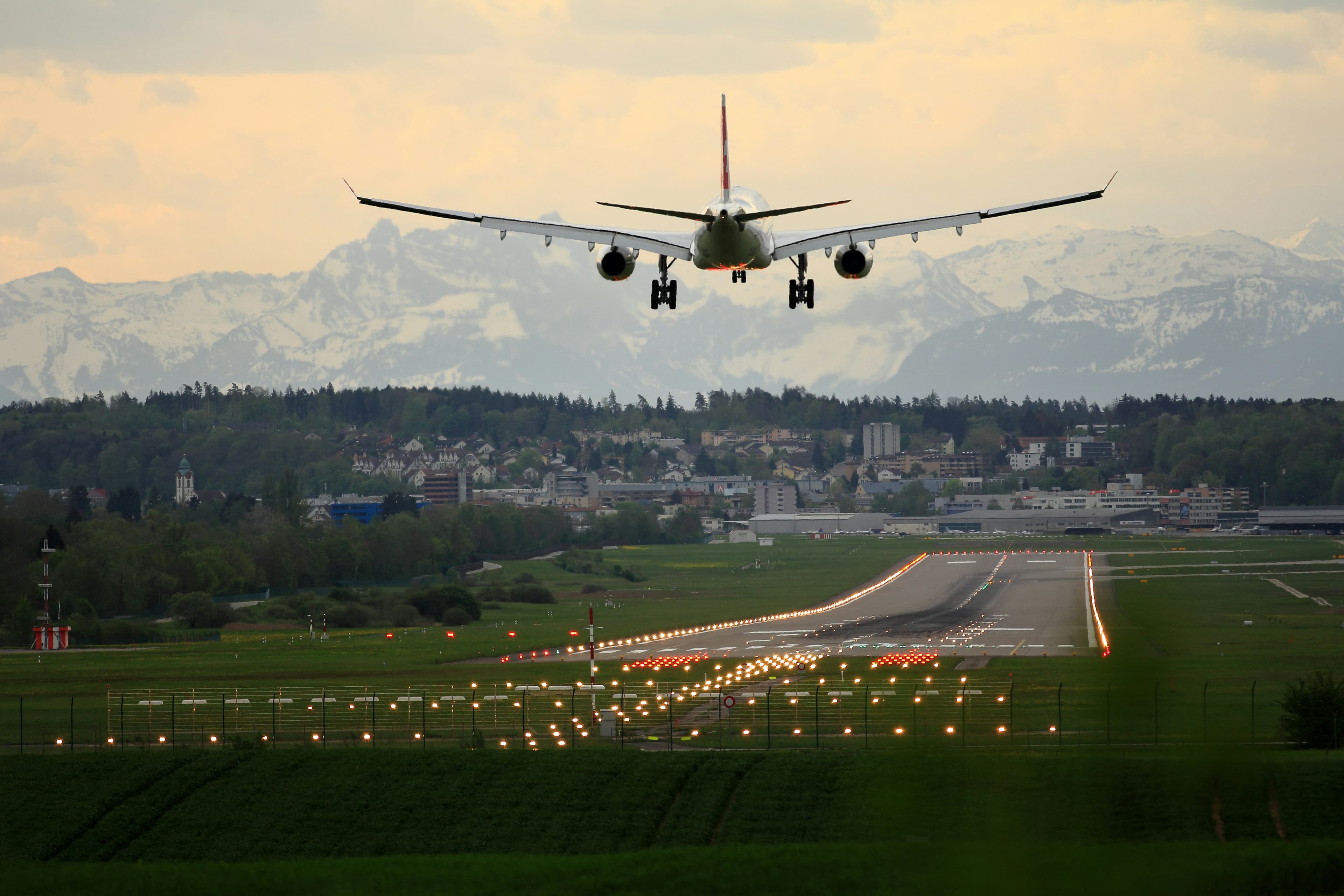
Every flight attendant who has ordered catering on a tight turn has asked some version of the same question: how late is too late? The marketing answer is “we’re flexible.” The operational answer is more useful, and it has almost nothing to do with how fast a chef can cook.
At most major FBOs, we can take an order down to roughly two hours from wheels-up. But the binding constraint usually isn't the kitchen. It's everything between the kitchen and the aircraft.
The kitchen is the fast part
A well-run catering kitchen preps in parallel. Cold canapés, a hot entrée, and a dessert course for six passengers is not a ninety-minute problem if the mise en place is already standing. What eats the clock is sourcing anything off-pattern, packing to aviation spec, and the drive.
The order that lands late is almost never the one the chef couldn’t cook. It’s the one that hit traffic on the bridge.
What actually sets the floor
- 01Sourcing. On-menu items ship fast. A specific cut, a named restaurant dish, or a kosher-certified meal adds real hours because it routes through a different supply chain.
- 02Packout. Aviation-spec packaging (insulated, labeled at passenger level, reheat instructions attached) is deliberate work. Rushing it is how labels end up wrong.
- 03Transit. The drive from kitchen to ramp is the single most variable factor. Weekday rush near a metro airport can add twenty minutes that no kitchen can claw back.
- 04FBO access. Some ramps have direct catering-truck access; others stage at a gate. That difference is minutes at handoff, and minutes matter on a two-hour order.
Why same-day still works
None of this means same-day is off the table. It means same-day narrows the menu, not the possibility. Inside a two-hour window we lean on what's already prepped and in spec, and we tell you plainly what's achievable rather than promising a bespoke six-course service we can't land on time.
The crews who never get burned by lead times are the ones who treat us like dispatch, not like a menu. Tell us the constraint (the slot, the curfew, the bridge) and we'll build the order around it.
Keep reading.
All posts →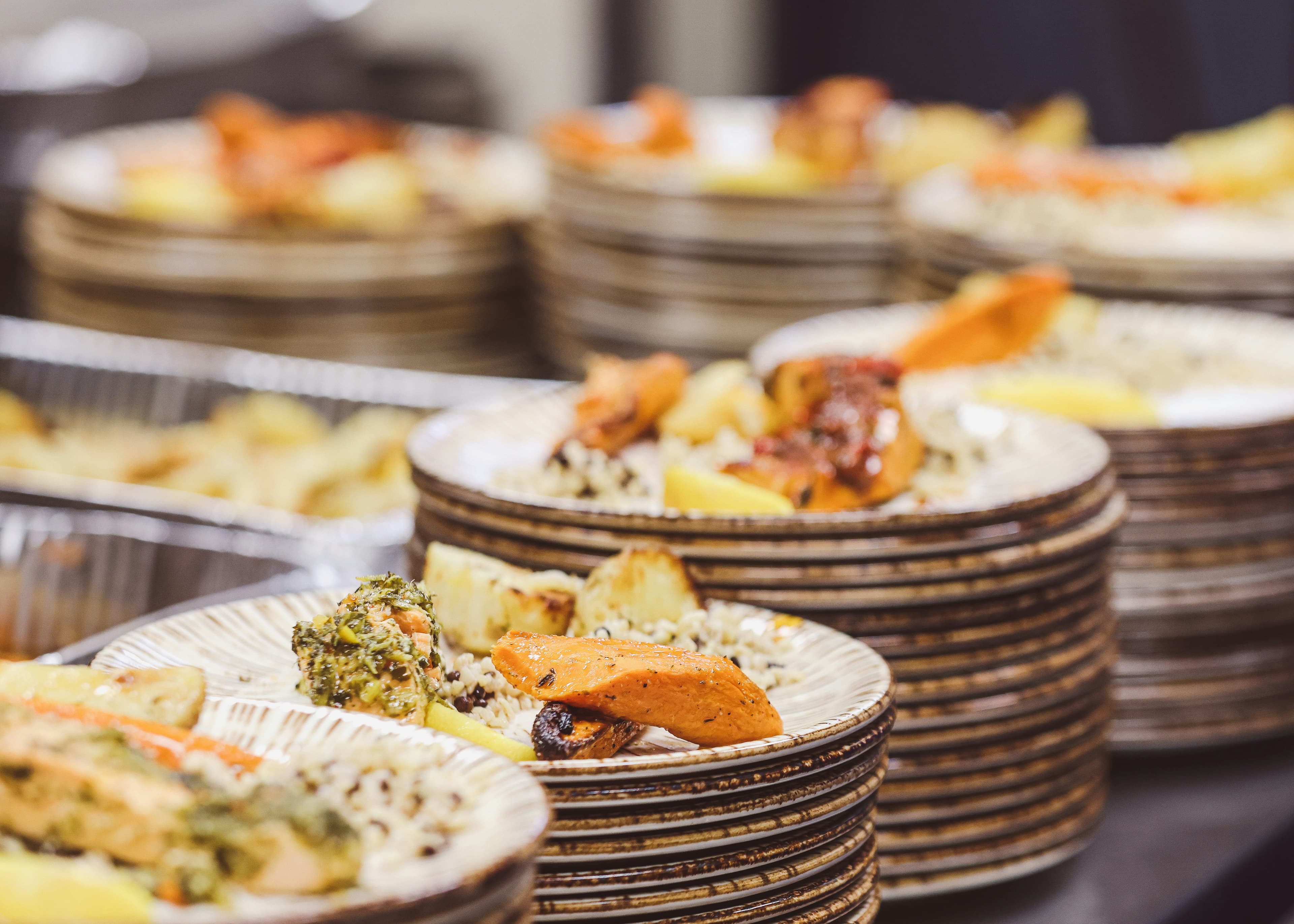

Ready to dispatch